

Beyond Footfall: What Really Keeps a Mall Running in 2025
September 5, 2025
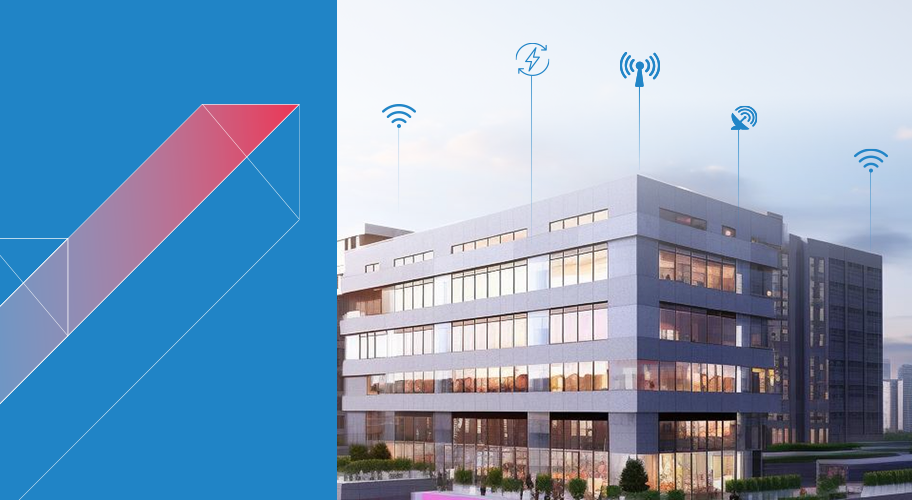
What powers your mall? Is it just bricks and branding, or does it have the digital infrastructure needed to meet today's expectations?
A mall may feature attractive architecture and popular brands, but if its digital infrastructure is weak, even minor disruptions can be costly. Malls have evolved into hubs that combine retail, dining, entertainment, wellness, and co-working—but many still rely on outdated systems.
Today, everything from digital payments to inventory management depends on stable connectivity. Small issues like slow transactions or weak Wi-Fi can quickly escalate, affecting customer satisfaction and mall revenues. According to Deloitte, retailers lose about 4% of potential revenue for every hour of network downtime.
In a competitive retail environment, every square foot of mall space must perform optimally. Poor infrastructure not only inconveniences shoppers but also poses significant risks for businesses. For mall owners, CTOs, and developers, the crucial question is whether their systems are robust enough to meet today's demands and future challenges.
Because in 2025 and beyond, connectivity is no longer a feature. It is the foundation.
What's Still Going Wrong?
Despite the digital shift, many malls continue to face recurring issues:
- Mobile blackspots in basements and isolated areas disrupt calls, transactions, and services.
- Disrupted internet hampers billing, cloud tools, and tenant operations.
- Inconsistent guest Wi-Fi frustrates visitors and reduces engagement.
These infrastructure gaps are not isolated technical problems. They directly impact customer experience, tenant relationships, and the mall's overall performance and profitability.
The Microsense Approach: Built Specifically for Malls
Addressing these recurring challenges demands more than temporary fixes. iBUS Global provides malls with a comprehensive connectivity framework—tailored for modern mall environments and designed to deliver consistent performance across every interaction. Mobility needs are addressed through iBUS Mobility, while Managed Wi-Fi requirements are powered by Microsense, an iBUS enterprise.
Here are the integrated solutions specifically built for malls:
1. Managed High-Speed Wi-Fi
iBUS deploys a robust, high-speed Wi-Fi network across the mall, ensuring seamless connectivity for both tenants and visitors, even during peak hours. Retailers benefit from reliable cloud-based POS systems and tenant applications, while visitors enjoy uninterrupted internet access.
2. Distributed Antenna Systems (DAS)
iBUS's DAS solution provides strong and consistent 4G/5G indoor mobile signals throughout the entire mall, including hard-to-reach areas such as basements, elevators, and isolated corners. This eliminates dead zones and ensures seamless mobile communication, digital payments, and real-time customer interactions.
3. FTTx Backbone (Fibre-to-the-Premises)
A dedicated fibre infrastructure supports the mall's essential digital operations. This high-capacity fibre backbone ensures ultra-fast connectivity and minimal latency, powering critical services such as CCTV surveillance, HVAC systems, tenant networks, and digital signage. Built on GPON-based FTTX architecture, it also enables seamless internet access through multiple ISPs.
Real-World Impact: Proven Results
iBUS's integrated connectivity solution has already transformed operations at one of India's leading malls with measurable outcomes:
- Zero downtime in critical mall operations and tenant systems
- ₹2 lakhs annual savings per retailer from improved operational efficiencies
- Faster checkouts with stable, uninterrupted internet
- Increased shopper dwell time and satisfaction due to better air quality and consistent Wi-Fi
Explore the detailed case study here.
Reliable Connectivity for Modern Malls
Reliable connectivity, robust mobile coverage, and scalable fibre infrastructure are essential for modern malls.
Related Posts


September 5, 2025
Building a Cyber-Safe Campus: Why Next-Gen Security Is Critical for Education in 2025